

Posture Correcting Wearables

Posture-correcting wearables are devices you can wear throughout the day to help maintain proper alignment. They often come in the form of braces or smart shirts. Braces provide physical support, gently pulling the shoulders back to encourage an upright posture. They can be particularly useful for those who slouch or round their shoulders. However, they should not be overly relied upon as they can lead to muscle atrophy if overused.
Smart shirts, on the other hand, provide gentle vibrations or signals when you start to slouch, training you to maintain an upright posture. They operate on the principle of biofeedback and are designed to help you develop better posture habits over time. The advantage of smart shirts is that they encourage active posture correction, but they require greater engagement and awareness from the user.
Ergonomic Furniture for Posture Correction
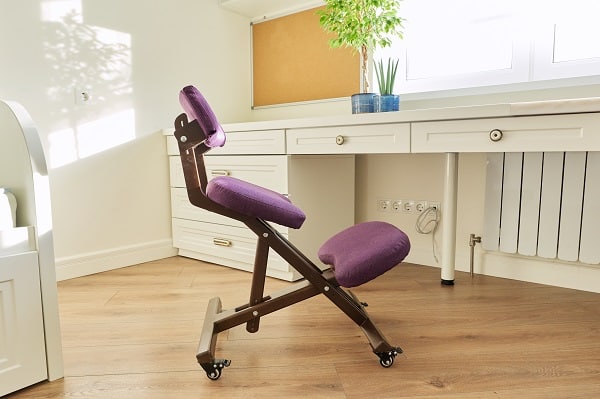
Ergonomic furniture is designed with the natural human posture in mind and can significantly contribute to maintaining good posture, particularly for individuals who spend long hours sitting. Two common types of ergonomic furniture are standing desks and ergonomic chairs.
Standing desks allow you to alternate between sitting and standing positions, reducing the risk of slouching and promoting a more active work environment. However, they may not be suitable for everyone, particularly those with certain health conditions.
On the other hand, ergonomic chairs are designed to support the natural curvature of the spine, promoting better posture and reducing the risk of back pain. They usually feature adjustable heights, backrests, and armrests to cater to individual needs. The only downside is that they can be expensive compared to regular office chairs.
Fitness Equipment For Posture Correction

Fitness equipment like balance balls and posture trainers can effectively improve posture. Balance balls, often used as an alternative to a regular office chair, engage your core and back muscles, promoting strength and good posture. However, they require active engagement and awareness, as improper use can lead to more harm than good.
Posture trainers are smaller devices that aid in performing exercises designed to improve posture. They are a great addition to a regular workout routine and can be especially helpful for those with more severe posture issues. These devices provide physical support and visual or auditory feedback, helping users perform exercises correctly and effectively.
How to Choose the Right Device for Your Needs

Choosing the right posture-correcting device depends on your individual needs and circumstances. First, identify your specific posture issues and consider what type of support would best address these issues. Second, consider your lifestyle. An ergonomic chair or standing desk might be a good fit if you spend long hours at a desk. A wearable device or fitness equipment might be more appropriate if you are more active.
It’s also crucial to consider cost and practicality. While some devices may seem appealing, they may be out of your budget or unsuitable for your workspace or lifestyle. Finally, remember that devices alone cannot completely correct poor posture. They should be combined with regular exercises, breaks, and awareness of body alignment for best results.
The Bottom Line
Good posture is not just about appearances; it is vital to our overall health and well-being. Whether through traditional methods or posture-correcting devices, improving our posture can have profound benefits, from reducing chronic pain to enhancing our mood and productivity. With the variety of posture-correcting devices available, you can find the support you need to improve your posture and live a healthier, happier life. Remember, the journey to good posture is a marathon, not a sprint. So take it one step at a time, listen to your body, and don’t forget to stand tall.
Sources:


